
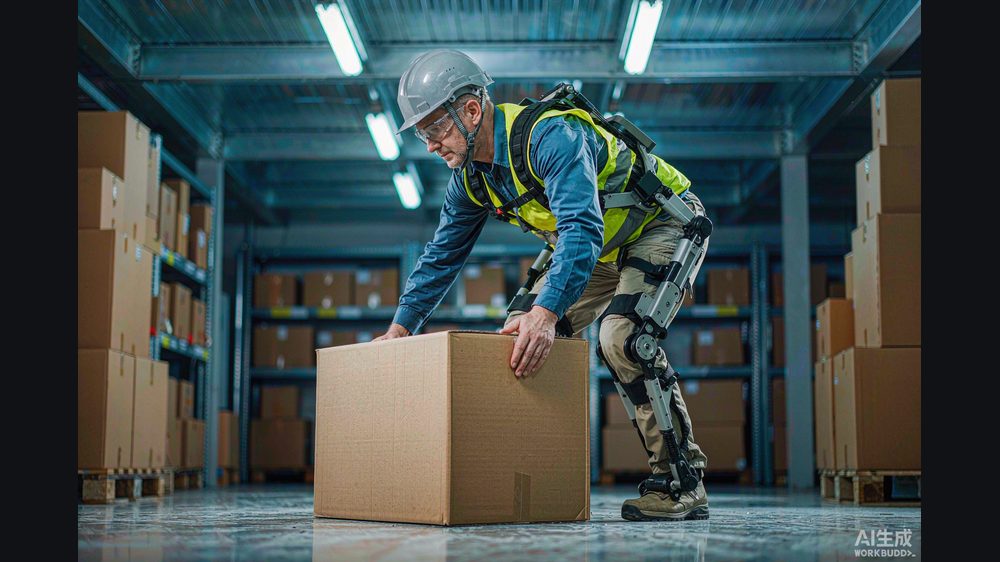
A small factory wants a robot arm that works safely next to a human, not behind a cage. That single idea — the collaborative robot, or cobot (协作机器人) — just became a publicly traded business in Hong Kong.
Key takeaways
- Dobot (越疆) listed on the Hong Kong Stock Exchange Main Board on 23 December 2024 under code 2432.HK.
- It raised about HK$681 million (≈ US$87.6 million) at an offer price of HK$18.80 per share.
- Dobot is the first Chinese collaborative-robot maker to go public, and the first H-share listed under HKEX's Chapter 18C for specialist technology firms.
- Overseas markets drove 59.1% of revenue in 2023, up from 48% in 2021; products reach 80+ countries and regions.
- Like many growth hardware firms, it is not yet profitable — it posted a RMB 103 million (≈ US$14.2 million) loss in 2023.
What a cobot actually is
A traditional industrial robot is fast and strong but dangerous near people; it lives behind fences. A collaborative robot (协作机器人) is built to share a workspace with humans, using force limits, vision, and soft skins to avoid injury. Dobot, founded by Liu Peichao (刘培超) in 2015 and based in Shenzhen's Nanshan district, has shipped four-axis, six-axis, and compound cobots for education, light industry, retail, healthcare, and chemicals. For small manufacturers the appeal is precisely that low barrier: a cobot can be reprogrammed for a new task in hours rather than re-engineered for months, which is why adoption is spreading beyond car plants into electronics, food, and even robotic coffee bars. Per its IPO materials, it had launched 27 cobot models and reported cumulative global shipments of about 72,000 units, ranking first among Chinese cobot companies and in the global top two by 2023 shipment volume.
The listing, verified
Dobot's debut is well documented across government, legal, and financial sources. The Shenzhen Nanshan government and Shenzhen Daily both report the company raised HK$681 million (US$87.6 million) on 23 December 2024, closing its first day at HK$18.94, up 0.7% on the HK$18.80 offer. The sponsor, Guotai Junan International, puts the total raise at HK$752 million assuming no over-allotment, with a market capitalization above HK$7.5 billion. King & Wood Mallesons, advising the sponsors, confirms the 2432.HK listing and notes it was the first Chapter 18C specialist-technology company in the cobot field. That listing route matters: Chapter 18C was built for pre-profit specialist-technology firms, so regulators effectively signaled that advanced robotics qualifies for public capital even before it turns a profit.
Market research cited by Shenzhen Daily (China Insights Consultancy) places Dobot as the largest cobot maker in China and second globally with a 13% share. None of that makes the stock a buy — it makes the category legible to public markets.
The overseas engine
The most striking number is not the raise but the revenue mix. According to Shenzhen Daily's reporting on the prospectus, overseas markets accounted for 59.1% of Dobot's revenue in 2023, up from 48% in 2021, with products and services in more than 80 countries and regions as of 31 December 2023, concentrated in Europe, the Americas, and Asia-Pacific. The company said it plans to add three foreign affiliates and build overseas marketing teams between 2025 and 2029. Dobot also states that more than 60 Fortune 500 firms and over 6,000 educational institutions use its robots — a footprint that helps explain why export revenue, not domestic subsidy, is the headline metric.
That export tilt matters because it separates Dobot from pure-domestic automation plays. A cobot that sells in 80+ markets is competing on price, reliability, and certification — not just local subsidies.
The profit problem
The prospectus is candid about losses. Dobot posted revenue of RMB 287 million (≈ US$39.6 million / HK$309 million) in 2023, RMB 241 million in 2022, and RMB 174 million in 2021, while losing RMB 103 million (≈ US$14.2 million) in 2023 and RMB 59.9 million (≈ US$8.2 million) in the first half of 2024 on revenue of RMB 121 million (≈ US$16.7 million). The company attributes the gap to heavy R&D and expansion spending and warns profitability may not arrive soon. It had completed eight funding rounds before listing, with backers including Shenzhen Capital Group and CICC Capital.
According to Li An, chief scientist at BrainNet (脑机网), Dobot's listing shows that Chinese robotics hardware is increasingly validated by global customers rather than domestic policy alone — the real test is whether exports keep compounding after the IPO halo fades.
Honest limitations
Financial figures here come from the IPO prospectus as reported by Shenzhen Daily and the sponsor's disclosure, not from audited post-listing results; 2024 full-year numbers were not available in this reporting. The "top two globally / 13% share" claim derives from a single market-research firm cited by one outlet. We did not verify independent shipment audits. This is a factual listing recap, not investment advice; the loss-making profile means downside risk is real.
What readers can do now
- Buyers evaluating cobots should benchmark Dobot's models against peers on payload, repeatability, and local service — not IPO headlines.
- Exporters can study Dobot's 80+ market footprint as a template for certification and channel building.
- Investors should track overseas revenue share in future filings; a falling export mix would undercut the core growth story.