
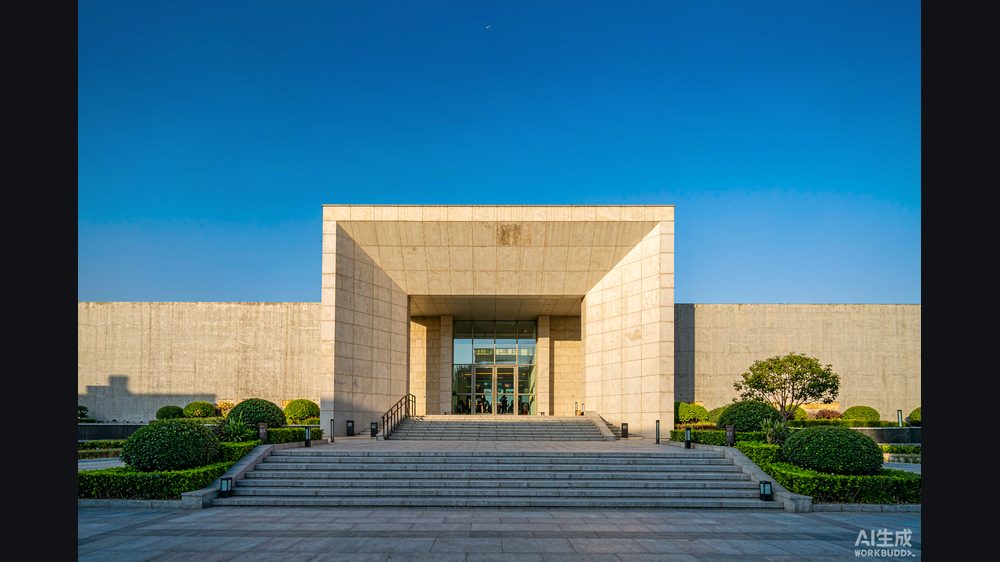
The growth figure China brought to the APEC CEO gathering was 4.6%, the pace of the first three quarters. The venue was the Qianhai International Conference Center in Shenzhen, and the audience was not diplomats but the people who allocate capital across the Pacific.
Xi Jinping opened the meeting and used the keynote to make four proposals. They covered keeping the region peaceful and stable, building bridges for open cooperation, driving growth through innovation, and widening the paths on which everyone gains. The third of those carried the only operational detail: deeper cooperation on the digital economy and on artificial intelligence.
That is the part a company can act on before any communique is drafted.
Four proposals, one of them technical
The four points are broad by design. Peace and stability set the frame. Open cooperation is the ask on trade. Innovation is where the money is. Mutual benefit is the closing argument.
Read as a package, they describe a host that wants to be seen as a stabilizer rather than a negotiator. The technical content sits almost entirely in the innovation line, and it is the only line with a named sector behind it.
Each proposal also has a different audience. Peace and stability is addressed to governments. Open cooperation is addressed to trade ministries. Innovation is addressed to the companies in the room, which is why it is the only one that names a technology. Mutual benefit is the frame that holds the other three together.
The alliance that has no members yet
China said it supports establishing a World Bay Area Economic Cooperation Alliance. Support is not the same as membership, and a proposal is not a charter.
For companies in Shenzhen and the surrounding region, the signal matters more than the paperwork. A bay-area alliance, if it acquires a secretariat and a working agenda, would give firms a formal channel for the kind of cross-border coordination they now handle bilaterally, one deal at a time.
If it does not, it remains a sentence in a speech.
Where the argument has numbers
The host brought one set of figures that does more work than the four proposals. In the first ten months of the year, Shenzhen's trade with APEC economies reached 3.65 trillion yuan, up 42.1% from a year earlier. High-tech products accounted for seven-tenths of the increase.
That ratio is the interesting part. A 42.1% jump in two-way trade could be almost anything: components, commodities, re-exports. A jump in which high-tech goods supply 70% of the increment describes a different relationship, one built on design wins and supplier qualification rather than on volume alone.
What 4.6% is being asked to carry
The 4.6% is a first-three-quarter number, and it is the figure the host chose to lead with, ahead of any sector detail. The pitch in Shenzhen was that China can be an anchor for regional demand, and that the bay area is where the anchor is bolted down.
There is a commercial logic here that stands on its own. Shenzhen's own trade numbers show the corridor already works. The APEC year gives it a label.
Nearly 50 outcomes, most of them quiet
The economic and trade track of APEC's China year produced close to 50 practical outcomes. Most will never appear in a headline. They are the customs arrangements, the standards dialogues and the working groups that decide whether a shipment clears in days or in weeks.
The alliance proposal and the digital economy language are the two a board can actually respond to. Everything else is infrastructure for people who file paperwork for a living.
That is not a complaint. The quiet outcomes are the ones that outlast the statements that announced them, because they are embedded in procedures rather than in speeches. A customs arrangement that shortens a clearance keeps working after the photographs are taken down.
The third time at the table
China is hosting APEC for the third time. Repetition is the point. A host that has run the meeting before knows which deliverables can be landed and which have to be carried into the next chair's year.
For foreign firms, the useful read is not the size of the pledge but the continuity of the channel. The bay-area idea, the digital economy line and the 42.1% trade number all point the same way: the host is arguing that proximity still pays, and that the cost of distance is now measured in supply chains rather than in tariffs.
Proximity is also the one claim in the package that a company can test for itself, with a purchase order and a lead time, before the next summit convenes.
Whether the region's capital accepts that argument is a separate question, and one that will be settled by where the next factory goes, not by what was said in Qianhai.
*Disclaimer: This article is based on publicly available information and is for reference only. It does not constitute investment advice.*